
A customer may arrive because of a good ad, useful content, or a strong product page. They come back for a different reason: they believe the business will do what it says. Trust signals give them something concrete to base that belief on.
What counts as a useful trust signal depends on what the customer is buying. Someone choosing business software may look for security information and support terms. A shopper comparing skincare may pay closer attention to ingredients, reviews, and returns. A retailer browsing nicotine pouches wholesale may want clear product details, transparent terms, and an easy way to understand who they are dealing with.
The format changes, but the job stays much the same: remove avoidable doubt. Reviews, secure payment options, clear return rules, privacy information, real contact details, customer photos, and relevant credentials can all help a buyer judge whether a business looks credible and predictable.
Why trust matters for loyalty
Trust now carries almost the same weight in purchase decisions as product quality and value. Edelman reports that 88% of consumers consider brand trust important or a deal breaker. Its research also suggests that customers and independent voices can carry more weight than what a brand says about itself.
That principle applies across very different types of businesses. A software company, a specialist retailer, or a snus store may rely on different trust signals, but customers are still looking for much the same thing: clear information, consistent service, and no unpleasant surprises.
That matters after the first sale. Loyalty rarely comes from a points program alone. It grows when the same promise is confirmed at every step: the product matches its description, payment feels safe, support responds, policies are clear, and problems are handled without unnecessary friction.
The trust signals customers notice
Social proof is often the most visible signal. Ratings, reviews, testimonials, and user-generated photos lower uncertainty because they show real experiences. They work best when they are specific and believable. Vague five-star praise can feel less credible than a smaller set of reviews that mention real outcomes.
Security and privacy signals carry more weight as brands collect more data. A secure checkout, a readable privacy policy, and clear consent choices reduce friction. PwC found that 93% of consumers say a brand would lose their trust if it mishandled personal data. Salesforce reports that 71% of customers are becoming more protective of their personal information.
Transparency is another loyalty signal. Clear pricing, shipping costs, cancellation terms, return windows, and delivery expectations remove unpleasant surprises. Customers do not need a perfect experience. They need to know what will happen and what the company will do if something goes wrong.
How trust turns into repeat business
A trust badge may help a shopper finish one checkout, but loyalty comes from repeated proof. A badge on its own does little for loyalty. Every signal makes a promise that the rest of the business has to keep.
If a company advertises easy returns, the return process should actually be easy. If it claims fast support, customers should not wait days for a useful answer. If it promotes privacy, it should not collect more personal data than the experience requires.
PwC’s customer experience research shows how quickly trust can break: more than half of consumers have stopped buying from a brand after a bad product or service experience, while nearly a third have left because of poor customer experience. Trust signals can bring a customer in, but the experience decides whether they stay believable.
Where trust signals work best
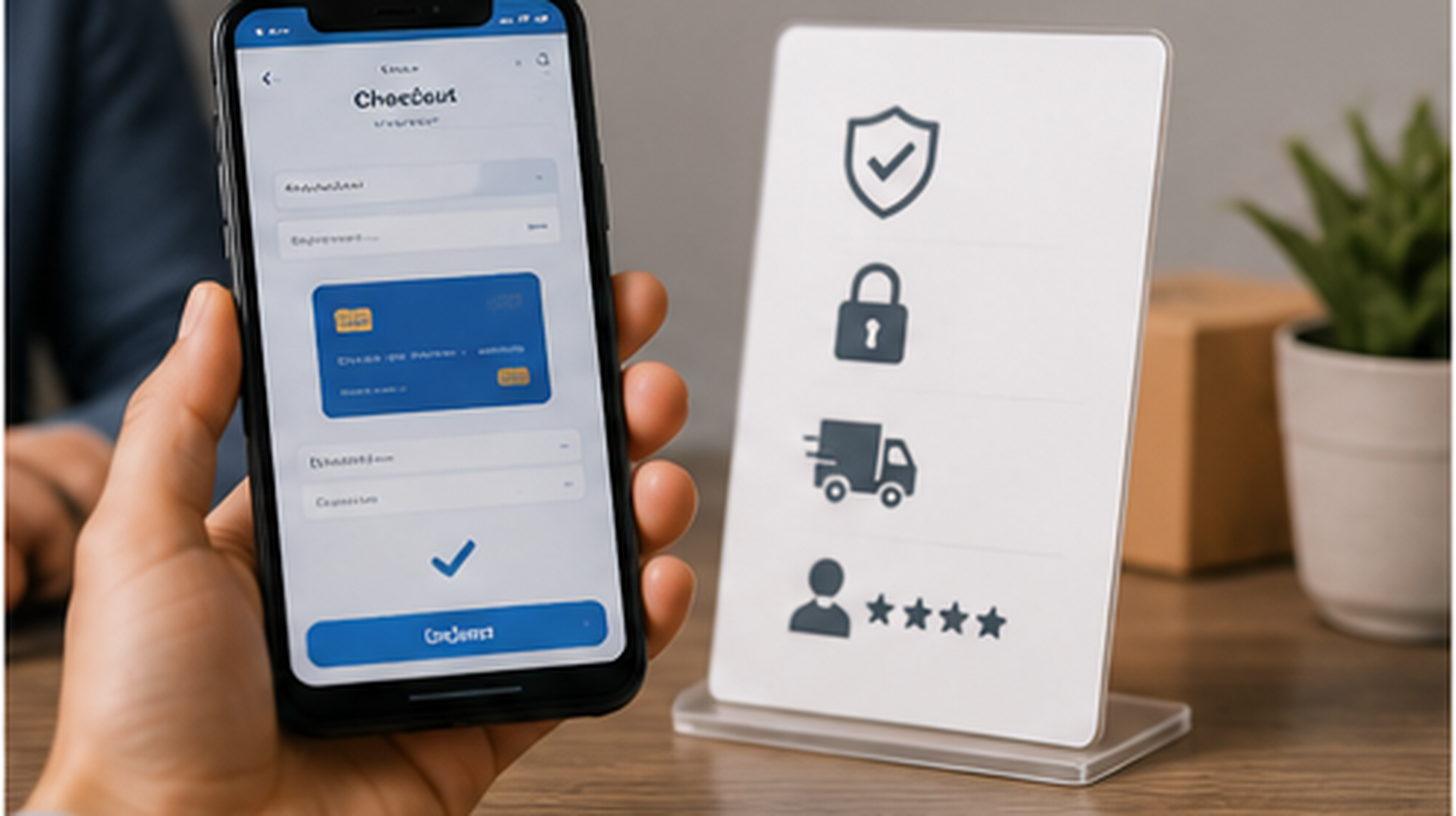
Match each signal to the moment of doubt. Product pages benefit from reviews, ratings, customer photos, and clear details. Checkout pages need payment security, delivery information, and return terms. Account areas should make privacy controls, cancellation, and billing easy to understand.
After purchase, trust still needs reinforcement. Order updates, honest delay notices, helpful support, and simple problem resolution show that the brand remains reliable after payment.
Trust is a loyalty system
The strongest trust signals answer the quiet questions customers ask: Is this real? Is my payment safe? Will I get what I expect? Can I return it? Will this company help if something goes wrong?
When the answers stay consistent across the website, checkout, inbox, support chat, and product experience, trust stops being a conversion tactic. It becomes a reason to return, recommend the brand, and choose it again.